
In the world of knitting and crocheting, the choice of yarn is pivotal to the outcome of any project. The tactile pleasure of working with expensive and high quality yarn is unmatched, offering not just a feast for the fingers but also a significant impact on the look and feel of the finished product. This indulgence, however, raises an important question: is the investment in expensive wool and yarn justified? Besides the sheer beauty and enjoyment derived from knitting with such luxurious materials, there are several practical considerations that weigh in on this decision, making it a topic worth exploring for both novice and seasoned crafters.
This article delves into the factors that should be considered when choosing yarn, highlighting the benefits and drawbacks of opting for expensive and high-quality options. It offers a comparison with more affordable yarns, showcasing how each choice plays a role in the crafting experience and the quality of the final piece. From durability and color vibrancy to environmental impact and cost-effectiveness, readers will be guided through a comprehensive examination, providing a well-rounded insight into whether the splurge on expensive wool is truly an investment or an extravagance.
I will then show you some photos of the expensive, luxury yarn that I have bought. This may help todemonstrate why some yarn costs so much more than other types.
Factors to Consider When Choosing Yarn
When selecting yarn, several key factors must be considered to ensure both the quality of the project and the knitting experience. Here are the crucial aspects to keep in mind:
Price vs. Quality
The relationship between price and quality in yarn is significant. While expensive yarn often offers superior quality, boasting luxurious fibers and better durability, it’s essential to evaluate whether the price aligns with the expected performance and longevity of the yarn. Sometimes, more affordable options can provide satisfactory results for specific projects.
Durability and Longevity
High-quality yarns, characterized by their fiber integrity and careful processing, tend to offer greater durability, which means they can withstand frequent use and washing without pilling or losing shape. This durability not only enhances the appearance and feel of the finished project but also contributes to sustainability by reducing the need for frequent replacements.
Ease of Use
The knitting experience can greatly enhance when using high quality yarns. They are typically easier to work with, creating fewer knots and maintaining consistent texture throughout the project. This can make the knitting process more enjoyable and result in a more polished final product.
Environmental Impact
The production of yarn can have significant environmental implications. High quality, expensive yarns are often made with eco-friendly practices, utilizing less water and energy, and employing sustainable materials like organic wool or recycled fibers. By choosing environmentally responsible yarns, knitters contribute to a reduced ecological footprint.
Knitting with luxury, expensive yarn is not just about the end product but also the pleasure of the crafting experience itself. The tactile joy of working with finely spun wool or the vibrant hues of beautifully dyed fibers can make the process as rewarding as the outcome.
Benefits of Expensive Yarn
Superior Quality Materials
Expensive yarn is often crafted from premium fibers like cashmere, merino wool, and alpaca, which are not only soft but also offer exceptional warmth and comfort. These high-grade fibers ensure a superior quality of the finished product, making garments more durable and comfortable to wear. The investment in such materials, while initially higher, pays off in the longevity and quality of the crafted items.
Enhanced Durability
High-quality yarns are more durable than their cheaper counterparts. They resist fraying and breaking, which not only extends the life of the knitted or crocheted items but also reduces waste and the frequency of replacements. This durability is a testament to the careful processing and integrity maintained during the manufacturing of expensive yarn.
Unique Colors and Textures
Artisanal yarn producers often employ natural dyes and techniques that create unique colorways and textures not found in mass-produced yarns. These unique attributes allow crafters to create one-of-a-kind pieces with distinct visual appeal, enhancing the overall aesthetic of the finished products.
Support for Local and Ethical Producers
Investing in expensive yarn often means supporting small-batch producers and artisans who use sustainable practices. These producers typically engage in ethical manufacturing processes, use eco-friendly dyes, and support local economies. By choosing expensive yarn, crafters contribute to the sustainability of the fashion industry and help reduce the environmental impact.
Knitting with such high-quality materials is not only a treat for the senses but also a more sustainable choice that supports local artisans and the environment. The pleasure derived from working with such beautifully crafted yarn enhances the overall experience, making every stitch a joy.
Drawbacks of Expensive Yarn
While knitting with expensive yarn can be a delightful sensory experience, there are notable drawbacks to consider.
High Cost
Expensive yarns, such as those made from luxurious fibers like cashmere or alpaca, can significantly impact a knitter’s budget. With prices ranging from $25 to $40 per 100 grams, the financial investment is substantial. This high cost can limit the accessibility of these premium yarns to a wider audience, making them a less feasible option for everyday projects.
Limited Availability
High-quality, expensive yarns are often produced in smaller batches by artisanal brands. While this exclusivity adds to their allure, it can also make them harder to find. Knitters may face challenges in sourcing specific colors or types, potentially delaying project timelines or leading to compromises in design choices.
Potential Over-hype
The allure of expensive yarns is sometimes amplified by marketing strategies that highlight their exclusivity and superior quality. However, this can lead to over-hyped expectations where the actual benefits in terms of durability and appearance may not justify the higher prices. Consumers should be wary of over-hyped claims and consider whether the yarn truly meets their specific crafting needs.
Risk of Not Actually Using the Yarn
The precious nature of expensive yarns might lead to hesitation in their use, with crafters fearing to waste such costly materials on less-than-perfect projects. This can result in beautiful yarns languishing unused in stashes, or in the creation of items that do not fully utilize the yarn’s potential. Additionally, the fear of ruining these luxurious yarns might deter some from experimenting and honing their crafting skills.
In summary, while the sensory pleasure and quality of expensive yarns are undeniable, the drawbacks of cost, availability, potential over-hype, and risk of misuse present significant considerations for crafters.
Case for Affordable Yarn
Acrylic yarn, celebrated for its affordability and wide color range, provides a practical option for diverse projects, from vibrant garments to home decor. Its hypoallergenic nature and durability make it a go-to for items that require frequent washing, like dishcloths and children’s wear. Notably, acrylic is machine washable and retains its color and shape well, offering long-term value.
For beginners, the accessibility and cost efficiency of acrylic and other synthetic yarns are invaluable. These materials allow new knitters to practice and perfect their craft without the financial burden associated with more expensive yarns. Moreover, the consistency and resilience of synthetic yarns accommodate repeated knitting and unraveling, which is common as novices refine their skills.
Additionally, the vast selection of affordable yarns from brands like Red Heart and Lion Brand ensures that crafters can experiment with various textures and styles without constraint. This variety not only fuels creativity but also enhances the crafting experience, making knitting and crocheting accessible and enjoyable for everyone, regardless of budget.
Conclusion
Through the exploration of the virtues and considerations of expensive versus affordable yarn, it becomes clear that the choice hinges on a balance between quality, budget, and crafting intentions. The indulgence in high-quality yarn not only elevates the crafting experience, offering a tactile and visual feast with every stitch, but also underscores a commitment to sustainable practices and support for artisanal communities. These aspects emphasize the joy and responsibility embedded in the selection of materials, highlighting how expensive yarn can be both a pleasure to work with and an investment in the crafting ecosystem.
Nevertheless, the practicality of affordable yarn presents a compelling case for its own merits, particularly for beginners and those undertaking large projects where cost and durability are paramount. The array of vibrant colors and the resilience of synthetic yarns ensure that creativity need not be stifled by budget constraints. Ultimately, the decision between luxurious and economical yarns reflects a crafter’s unique priorities—be it the delight of working with exquisite fibers or the practical considerations of cost and utility. In both cases, the heart of crafting remains the joy of creation, a sentiment beautifully woven through every project, regardless of the yarn chosen.
I would now like to show you some of the more expensive and luxurious yarns that I have purchased myself. I must say that in many cases I have committed one of the crimes discussed above – I darent use my expensive yarn. But when I do, the experience is so wonderful that I ask myself why I ever bother to buy the cheaper counterparts. I just don’t get the same sensory pleasure as I do when knitting with expensive, luxury yarn and wool.
Contains affiliate links.
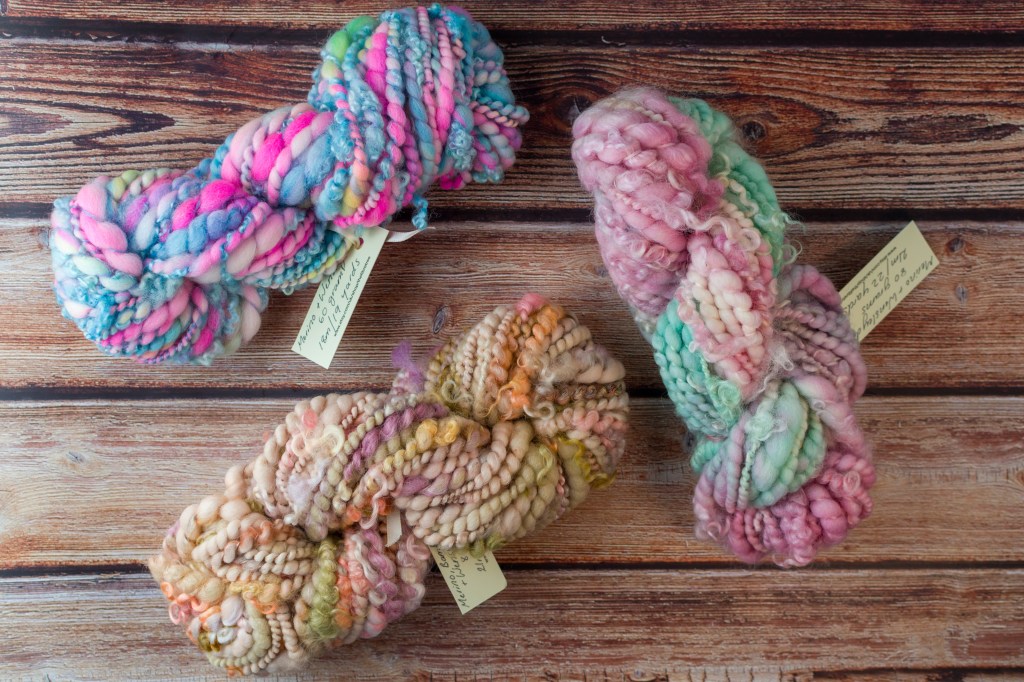
Here you can see some beautiful handspun yarn that I bought from The Fibre Tree on Etsy. Hand made, the artist has her own alpacas and makes a lot of her yarn from absolute scratch. Handspun yarn is ideal for creating unique knitting and crochet pieces, and is perfect for adding in extra pops throughout your work. Handspun yarn is well worth the money, in my opinion, and by buying it you are also supporting small artisan businesses.
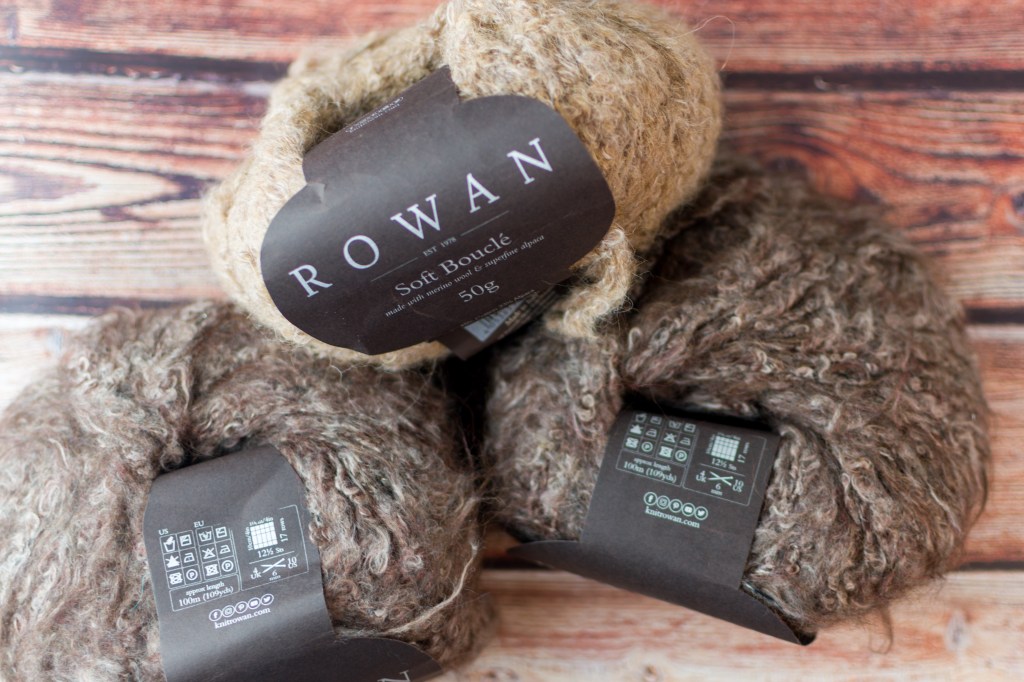
Rowan is a well know British yarn company, placed at the luxury, more expensive end. Here you can see their stunning soft and fluffy boucle yarn. This is soft beyond description and I intend to make a toy for my new grandson with it.
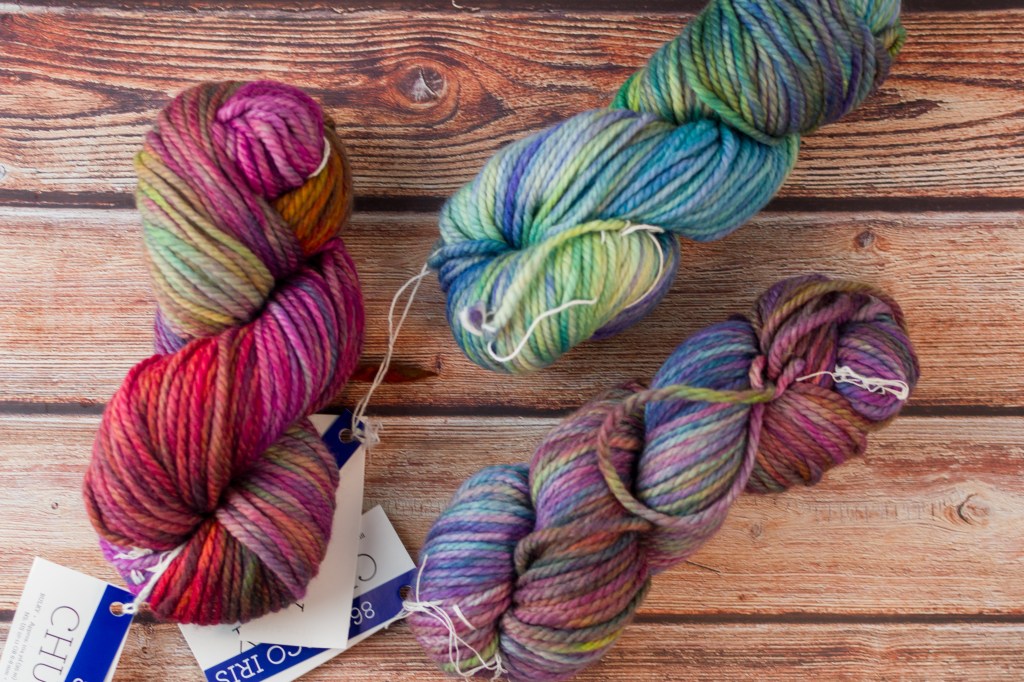
Here is a small sample of my Malabrigo yarn selection. This is Malabrigo Chunky. It is pure merino wool, hand dyed and the colours when worked are nothing short of beautiful. I absolutely adore knitting with Malabrigo yarns. I don’t even think it is that expensive for the quality of the yarn.

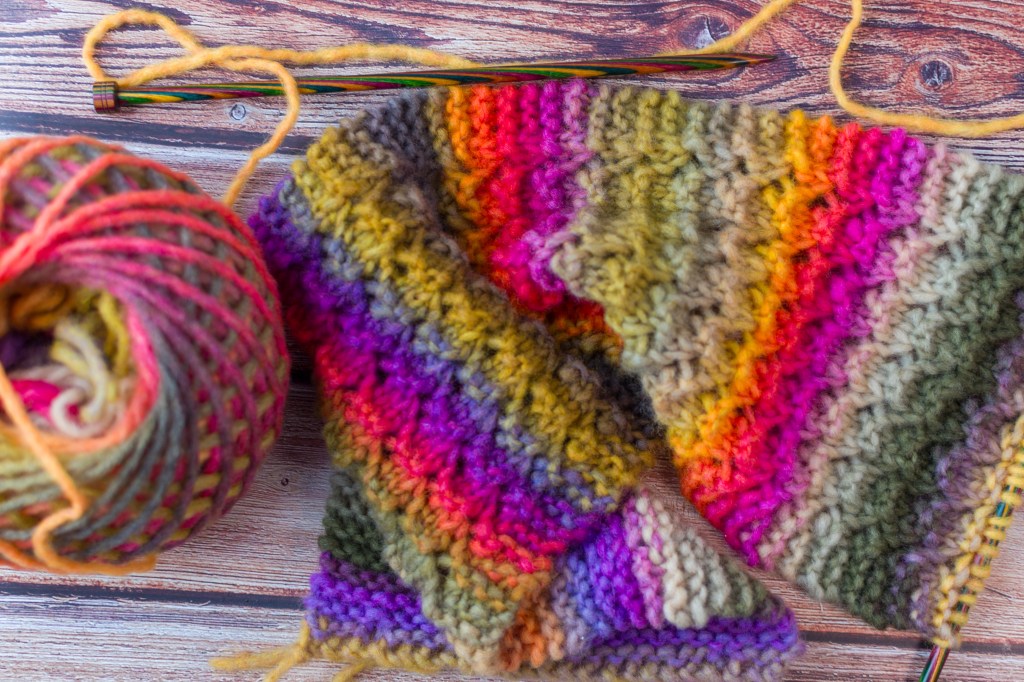
The above yarn is Noro Silk Garden. Noro is a Japanese company, and they are famous for the array of colours in their self striping, luxury yarns. Silk garden is a worsted thickness yarn and I will make some pretty hand warmers from this one skein, or perhaps a headband.
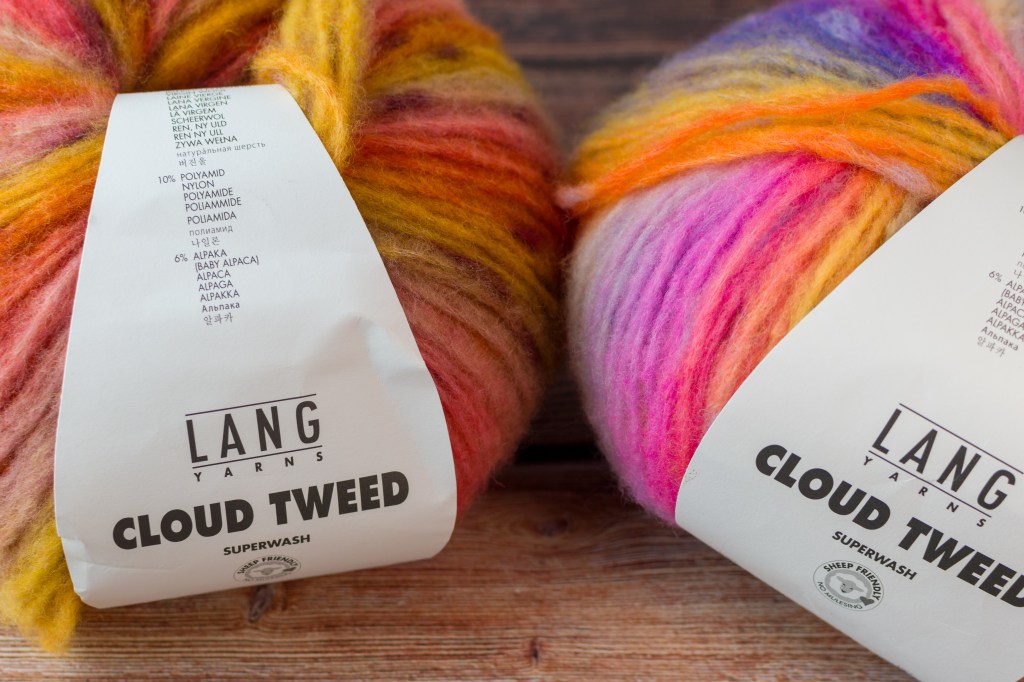
Here is Lang yarns Cloud Tweed. This is a new version of their Cloud (you can see the Cloud in the mina article photo – I am using it in a keyhole scarf that I am currently designing. I cannot tell you how soft and beautiful this yarn is and it is well worth the more expensive price tag.
I bought all of the above yarns, apart from the handspun, from Lovecrafts – if you have never used them before you can get a discount off your first purchase : full details here. They do change how much you get off by using this offer from time to time, sometimes it is a whopping 30% off.
I hope you enjoyed this article about whether or not expensive yarns are worth the investment. For me, when I have the funds, I can say that the answer is a resounding yes.

 The Knitting Times