
Written by: Marie. Photo: Adobe Stock.
Article may contain affiliate links.
I was scrolling through social media the other day and noticed a thread about whether or not you should knit for newborn babies in pure 100% wool yarn.
Specifically, the conversation was about hats, cardigans and blankets that knitters kindly donate to hospital wards. Many of the knitted baby clothes are premature or tiny baby sized and are used in maternity hospitals for surprise births, where parents may not be equipped at that time.
Additionally, newborn babies are often too small to fit into the shop bought hats etc that have been packed into hospital bags. The hospital knitted hat supply is therefore gratefully used to keep babies warm and insulate them in such events.
In the UK, (and this information is based upon what I read during the wool v acrylic baby wool debate) it is expected that donated baby items are made in acrylic ‘baby yarn’. This is a 100% acrylic knitting yarn which is made to a specific softness and marketed as being perfect for babies.
A knitter from New Zealand wrote down that she was very interested to hear this as in New Zealand, the donated hats must be made in pure wool.
Let us have a look at whether or not 100% pure wool is suitable when knitting for babies.
Is 100% pure wool suitable for knitting for newborn babies?
When knitting for newborn babies, it’s important to prioritize their comfort and safety. Wool can be suitable for newborns, but there are a few factors to consider:
- Softness: Choose a wool yarn that is soft and gentle against the baby’s delicate skin. Look for merino wool or baby alpaca yarn, as these are known for their softness.
- Allergies: Some babies may be sensitive or allergic to wool fibers. Make sure to choose a hypoallergenic wool yarn or consider using a different type of yarn such as cotton or bamboo if there are concerns about allergies.
- Washability: Newborns can be messy, so it’s important to use yarn that is easy to clean. Look for machine-washable wool yarns that can withstand frequent washing.
- Warmth: Wool is known for its warmth, which can be beneficial for keeping newborns cozy. However, be cautious not to make garments too thick or heavy, as newborns can overheat easily.
- Safety: Avoid using yarns with loose fibers or textures that could pose a choking hazard for the baby. Make sure all knots are securely fastened and trim any loose ends.
Overall, wool can be a suitable choice for knitting newborn garments, but it’s essential to consider factors such as softness, allergies, washability, warmth, and safety when selecting the yarn and designing the garments.
So looking at this list, there are a few disadvantages to knitting for babies in pure wool. So why might using our wool be thought of differently in New Zealand?
New Zealand wool, particularly merino wool, is often favored for knitting baby garments for several reasons:
- Softness: Merino wool from New Zealand is known for its exceptional softness, making it gentle and comfortable against a baby’s delicate skin. The fine fibers of merino wool are much softer than traditional wool, making it an ideal choice for baby clothing.
- Warmth and Breathability: Merino wool has excellent insulating properties, providing warmth in colder weather while also being breathable. This means it helps regulate the baby’s body temperature, keeping them comfortable in various conditions.
- Moisture-wicking: Merino wool has natural moisture-wicking properties, which helps keep babies dry by drawing moisture away from the skin. This can be particularly beneficial for preventing diaper rash and keeping babies comfortable.
- Hypoallergenic: Merino wool is often hypoallergenic, making it suitable for babies with sensitive skin or allergies. It is less likely to cause irritation compared to other types of wool or synthetic fibers.
- Natural and Sustainable: New Zealand wool is sourced from merino sheep, which are raised in a natural and sustainable environment. Merino wool is biodegradable and renewable, making it an eco-friendly choice for baby clothing.
- Durable and Easy to Care For: Merino wool is durable and long-lasting, able to withstand frequent washing and wear. It is also relatively easy to care for, as it can often be machine-washed and dried, making it practical for busy parents.
Overall, New Zealand wool, particularly merino wool, is favored for knitting baby garments due to its softness, warmth, breathability, hypoallergenic properties, sustainability, durability, and ease of care. These qualities make it an excellent choice for keeping babies comfortable and cosy.
It is also important to remember that New Zealand is considered one of the world’s major wool producers, and so it is perhaps easier to source excellent merino pure wools when knitting for babies.
The country is renowned for the high quality of its wool, particularly merino wool. New Zealand’s climate and pasture conditions are well-suited for raising sheep, and the country has a long history of sheep farming.
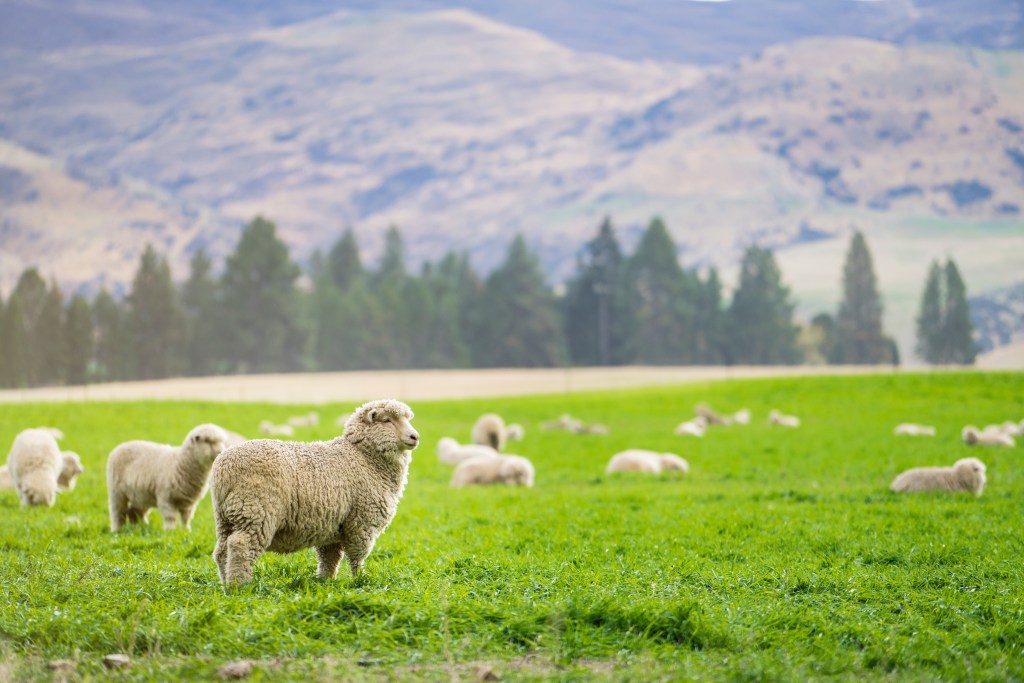
Merino wool, in particular, is highly prized for its softness, fineness, and versatility. New Zealand’s merino wool is used in a wide range of products, including high-end clothing, outdoor gear, and textiles.
While the total amount of wool produced in New Zealand can vary from year to year due to factors such as market demand and environmental conditions, the country remains an important player in the global wool industry.
Knitting with pure wool, especially high-quality varieties like merino wool, offers several advantages, including temperature regulation. Here are some general facts about knitting with pure wool:
- Temperature Regulation: Wool is a natural insulator, meaning it helps regulate body temperature by trapping heat close to the body when it’s cold and allowing excess heat and moisture to escape when it’s warm. This property makes wool garments comfortable to wear in various climates and seasons.
- Moisture Wicking: Wool fibers have a unique structure that can absorb up to 30% of their weight in moisture without feeling damp. This moisture-wicking ability helps keep the skin dry by drawing sweat away from the body, making wool garments comfortable to wear during physical activities or in humid conditions.
- Insulation: Wool fibers contain tiny air pockets that provide excellent insulation against both cold and heat. This natural insulation makes wool garments warm in winter and cool in summer, providing comfort in a wide range of temperatures.
- Elasticity: Wool fibers have natural elasticity, meaning they can stretch and return to their original shape without losing their structure. This makes wool garments resilient to wear and tear, maintaining their shape and fit over time.
- Durability: Wool is known for its durability and longevity. Properly cared for, wool garments can last for many years, making them a sustainable choice compared to synthetic fibers.
- Fire Resistance: Wool is naturally flame-resistant, making it a safer choice for clothing compared to synthetic fibers, which can melt and cause burns.
- Natural and Renewable: Wool is a renewable resource, sourced from sheep, goats, or other animals. It is biodegradable and environmentally friendly, especially when sourced from responsibly managed farms.
- Softness and Comfort: High-quality wool, such as merino wool, is known for its softness and comfort against the skin. It is less likely to cause itching or irritation compared to coarser wool varieties.
Overall, knitting with pure wool offers numerous benefits, including temperature regulation, moisture-wicking properties, insulation, elasticity, durability, fire resistance, sustainability, and comfort. These qualities make wool an excellent choice for a wide range of knitting projects, from cozy sweaters and hats to lightweight scarves and shawls.
In conclusion, knitting with pure wool has many benefits but one does have to careful about the softness and quality of the wool, as well as issues such as allergies. Merino wool would be the most suitable fibre when knitting for newborn babies. Indeed, many of the high end baby yarns in the UK have a high merino wool content (for example Sirdar Snuggly Cashmere Merino Silk).
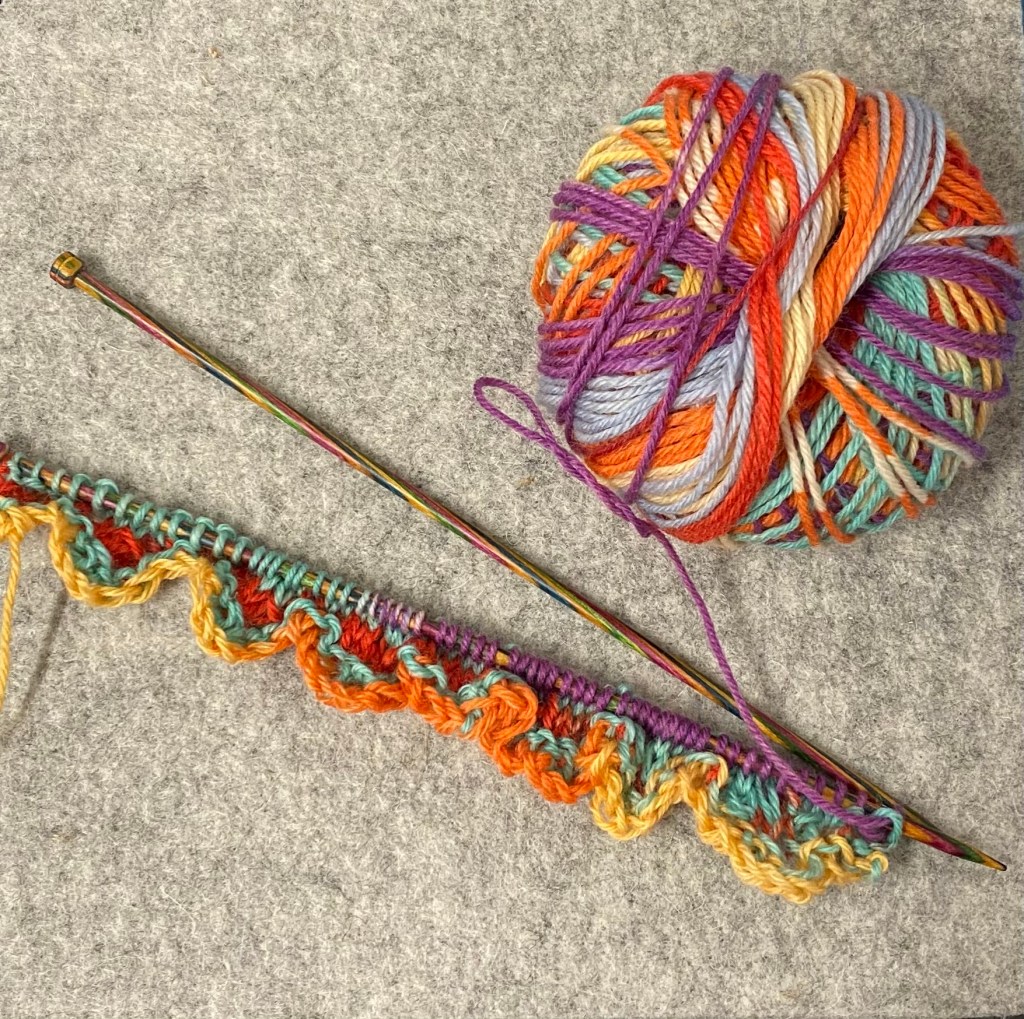
Just for interest, I popped into my yarn stash today looking for some pure wool that would be suitable to knit a baby hat. I found this gorgeous ball of Adriafil Knitcol which is pretty soft. It is a pure wool super wash yarn. I cast on a bonnet and so far I think it will be totally suitable for a new baby. The fibre feels soft, breathable and light, and I adore the self patterning bright colours.
Knitting for babies does not have to mean white and pastels, not these days anyway.
If you knit for hospitals (you wonderful person!) I am sure you already know that it is best to ask them what sort of yarn you should be using for newborn or preemie hats and other items. I hope this article has been interesting thanks for reading.

 The Knitting Times
One thought on “Is it ok to knit newborn baby hats and clothes in pure wool?”